Understanding the Art of Crepes
Crepes are not just a delightful treat; they symbolize the perfect blend of simplicity and indulgence in the culinary world. Originating in France, these thin pancakes serve as a versatile base for both sweet and savory fillings. Whether enjoyed at a gourmet restaurant or from a street vendor, crepes can elevate any dining experience with their delicate texture and a multitude of flavor combinations. At https://dcrepes.org, you can discover a variety of these delicious offerings, especially made with rich dark chocolate that can tantalize your taste buds.
What Are Crepes?
Crepes are a kind of very thin pancake that can be served with an array of fillings. The batter typically consists of flour, eggs, milk, and a pinch of salt, resulting in a smooth blend that is cooked on a hot surface until it sets. The beauty of crepes lies in their versatility; they can be filled with anything from Chocolate Hazelnut spreads to fresh fruits, whipped cream, cheese, or even savory ingredients like eggs and ham.
History and Origin of Crepes
The origin of crepes dates back to 13th century Brittany, France. The first crepes were made with buckwheat flour, making them a staple for farmers and fishermen. They were initially prepared as a savory dish and have evolved over centuries into the sweet treat we know today. The spread of crepes beyond French borders has allowed for various adaptations worldwide, incorporating local flavors and ingredients.
Different Types of Crepes Around the World
Globally, crepes have been adapted to suit local tastes and ingredients. In Italy, for instance, they are known as "crespelle" and are frequently used in savory baked dishes. In Japan, you might come across "crepe suzette," a flambéed dessert served with an orange sauce. Each variation offers a unique twist, showcasing how versatile and beloved crepes truly are.
Why Choose Dark Chocolate for Crepes?
When it comes to pairing crepes with flavors, dark chocolate stands out as a popular choice for several good reasons. This rich and complex ingredient enhances the overall taste of crepes, making each bite a decadent experience.
Flavor Profiles of Dark Chocolate
Dark chocolate offers a robust and slightly bitter taste that contrasts beautifully with the sweetness of crepes. Its deep flavor can be both rich and nuanced, complementing various fillings such as fruits, nuts, or even cream cheese. The balance achieved with dark chocolate adds depth to the overall flavor profile, making it a favorite among dessert connoisseurs.
Health Benefits of Dark Chocolate
Beyond its delightful taste, dark chocolate is renowned for its health benefits. Rich in antioxidants, it can help reduce inflammation and improve heart health. Additionally, it may enhance mood due to the release of endorphins in the brain. When used in crepes, dark chocolate can transform a simple dish into a more nutritious indulgence.
How Dark Chocolate Enhances Crepes
Incorporating dark chocolate into crepes can enhance both the flavor and visual appeal. Whether drizzled on top or infused into the batter, it adds a touch of elegance and sophistication. The melted chocolate creates a luscious sauce that seeps into the crepes, making each bite even more gratifying.
Essential Ingredients for Perfect Crepes
Creating the perfect crepe is all about using high-quality ingredients and the right technique. Below are some key components that contribute to the ideal crepe.
Best Flours for Crepe Batter
The choice of flour significantly impacts the texture of crepes. While all-purpose flour is the most common, buckwheat flour can be used for a more rustic flavor and is gluten-free. Experimenting with different flours can lead to unique crepe experiences, offering diverse flavors and textures.
Quality of Chocolate and Other Fillings
Investing in high-quality chocolate and fillings can elevate your crepes. Using pure, dark chocolate with at least 70% cocoa will ensure a rich flavor. Fresh fruits, high-grade nut butters, and homemade sauces can enhance the overall taste and experience.
Choosing the Right Utensils and Equipment
To achieve the perfect crepe, the right tools are essential. A non-stick skillet or a dedicated crepe pan allows for even cooking and easy flipping. A ladle can help portion the batter accurately, ensuring consistent thickness across your crepes.
Preparing Your Own Crepes at Home
Making crepes at home can be a rewarding endeavor. With the right ingredients and a bit of practice, anyone can whip up this delectable treat!
Step-by-Step Crepe Recipe
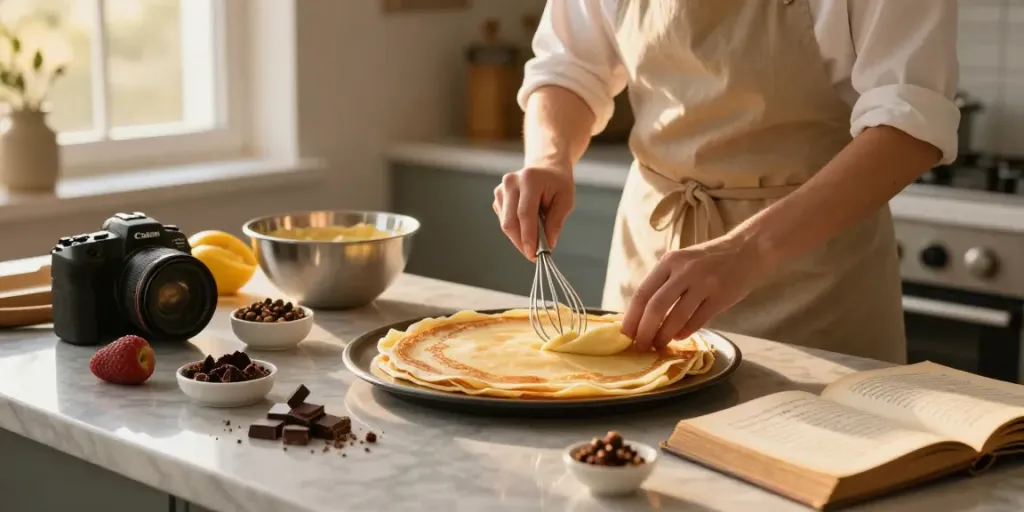
- In a mixing bowl, whisk together 1 cup of flour, 2 eggs, 1.5 cups of milk, and a pinch of salt.
- Let the batter rest for 30 minutes to allow the gluten to relax.
- Heat a non-stick skillet over medium heat and lightly grease it with butter.
- Pour a small amount of batter into the skillet, swirling it to create a thin layer.
- Cook for about 1-2 minutes until edges lift, then flip and cook for an additional minute.
- Repeat until all batter is used, stacking crepes on a plate.
Tips for Achieving the Perfect Texture
For perfectly smooth crepes, it’s vital to ensure the batter is well-mixed and free of lumps. Resting the batter is crucial as it allows the flour to hydrate fully. Additionally, adjusting the heat while cooking can prevent burning and ensure even cooking.
Common Mistakes to Avoid
One common mistake is pouring too much batter into the pan; remember that crepes should be thin! Also, not allowing the batter to rest can lead to chewy textures rather than light and airy ones. Last but not least, using a pan that’s too hot can cause uneven cooking.
Serving and Pairing Suggestions
Once your crepes are ready, the next step is to serve them. The right toppings and pairings can elevate the experience even further.
Best Toppings for Crepes
Classic toppings for sweet crepes include whipped cream, fresh berries, and powdered sugar. For a touch of luxury, consider using crème fraîche or a rich dark chocolate sauce. For savory crepes, fillings like mushrooms, spinach, and cheese work beautifully.
Pairing Drinks with Crepes
A well-paired drink can elevate your crepe experience. Coffee, tea, or even a glass of dessert wine can complement the flavors of both sweet and savory crepes. Experimenting with flavored teas can also lead to delightful pairings.
Creative Serving Ideas for Special Occasions
Crepes can be a showstopper at any event. Consider creating a crepe bar where guests can customize their toppings. This interactive experience not only makes the dining more enjoyable but also allows for personalization of flavors.
What Makes Crepes a Unique Culinary Experience?
The unique texture and versatility of crepes allow them to adapt to various cuisines and preferences. They can be savory, sweet, or even served as a main dish, making them suitable for any meal of the day. This adaptability, combined with the artistic presentation, makes crepes a standout choice in the culinary landscape.
Frequently Asked Questions
How to Store Leftover Crepes?
Leftover crepes can be stored in the fridge for up to three days. Place them in an airtight container with wax paper in between to prevent sticking.
Can You Freeze Crepes?
Yes, crepes freeze well! Stack them with parchment paper in between each layer and place them in a freezer-safe bag. They can be stored for up to two months and reheated in a pan or microwave.
What are Popular Dietary Modifications?
For those with dietary restrictions, crepes can easily be made gluten-free by using almond or coconut flour. Vegan alternatives can also be created using plant-based milk and egg substitutes.
How to Create a Crepe Bar for Events?
Setting up a crepe bar involves having a variety of batters, toppings, and fillings. Guests can choose their own combinations, enhancing the interactive aspect of dining. Providing instructions can also guide less experienced cooks.
What are Best Practices for Making Vegan Crepes?
To make vegan crepes, substitute eggs with flaxseed meal and use plant-based milk. Adjusting the fat content with coconut oil can help achieve the desired texture and consistency.