
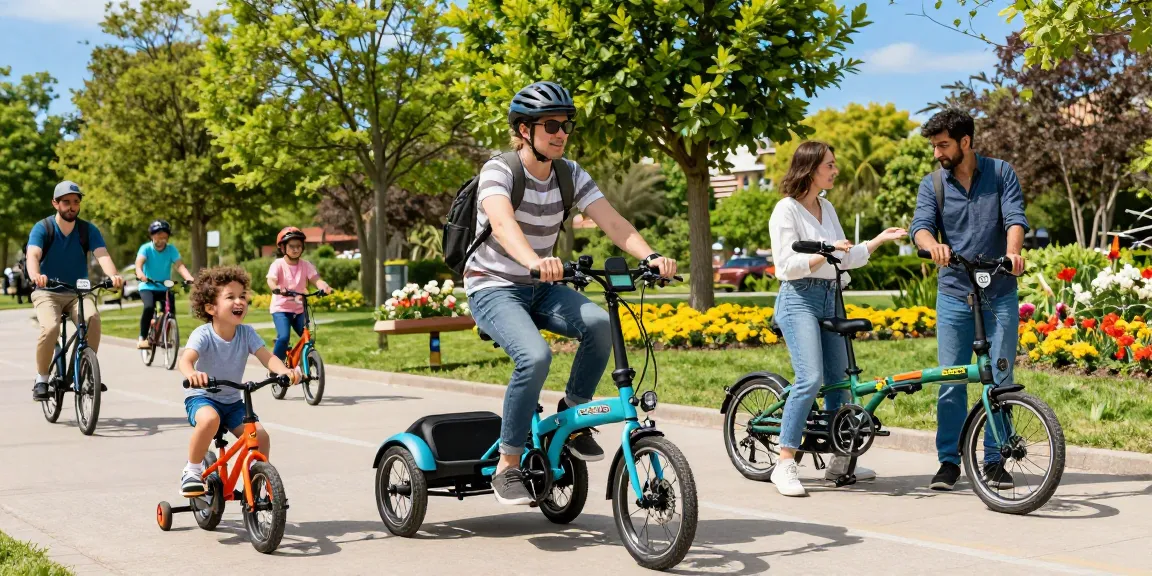
The Rise of Electric Tricycles in Urban Transportation
As cities around the world grapple with congestion and pollution, electric tricycles have emerged as a viable solution for urban mobility. The evolution of transportation needs, combined with technological advancements, has paved the way for these three-wheeled vehicles to become more than just a novelty. Today, electric tricycles offer a sustainable, efficient, and enjoyable way to navigate densely populated areas. This article delves into the best electric tricycles on the market, examining their features, benefits, and the transformative impact they are having on urban transportation.
Understanding the Benefits of Best Electric Tricycles
Electric tricycles seamlessly blend stability with efficiency, making them ideal for a variety of users, from commuters to recreational riders. One of the primary benefits of electric tricycles is their versatility; they provide a comfortable ride for individuals of all ages and physical abilities. Moreover, these tricycles are equipped with powerful electric motors that assist with pedaling, allowing riders to conquer hills and longer distances with ease.
- Enhanced stability: The three-wheel design offers better balance and safety, especially for beginners.
- Assisted pedaling: Electric motors provide assistance, making it easier to ride without strenuous effort.
- Eco-friendly transport: Reduce your carbon footprint with a cleaner alternative to cars.
- Lower operating costs: Electric tricycles require minimal maintenance compared to traditional vehicles.
- Health benefits: Encouraging physical activity while reducing fatigue through motor assistance.
The Role of Sustainability in Cycling Trends
With heightened awareness of environmental issues, sustainable transportation methods are more critical than ever. Electric tricycles not only decrease reliance on fossil fuels but also promote a healthy lifestyle. Cycling, even with pedal assistance, encourages outdoor activity and can significantly improve cardiovascular health. The rising demand for eco-friendly options has encouraged manufacturers to innovate and create more sustainable designs, including lightweight materials and energy-efficient batteries.
Electric Tricycles vs. Traditional Bicycles: A Comparison
While both electric tricycles and traditional bicycles offer enjoyable riding experiences, they cater to different needs and preferences. Traditional bicycles require more physical exertion, making them ideal for fitness enthusiasts. In contrast, electric tricycles provide an alternative for those who may not be able to ride a standard bike due to physical constraints or for those who want a more laid-back ride. Below are key differences between the two:
- Ease of Use: Electric tricycles are easier for individuals with limited mobility or those looking for a less strenuous option.
- Speed and Distance: With electric assistance, riders can cover greater distances without excessive fatigue.
- Storage and Parking: Tricycles may require more space, but many electric models are designed to fold for easy storage.
- Cost: Electric tricycles tend to be pricier than traditional bikes, but their benefits can justify the investment.
Key Features of the Best Electric Tricycles
Innovative Technology in Electric Tricycles
Modern electric tricycles come equipped with advanced technology aimed at enhancing the user experience. Key technological features include:
- Powerful Motors: Most electric tricycles feature motors ranging from 250W to 750W, depending on the model and intended use.
- Smart Displays: LCD screens provide essential data such as speed, battery life, and distance traveled.
- Regenerative Braking: Some models offer regenerative braking systems that capture energy during braking to recharge the battery.
- Multiple Assist Levels: Riders can adjust the level of electric assistance, allowing for a customizable riding experience.
Safety Features to Look For
Safety is a paramount consideration when choosing an electric tricycle. Here are essential safety features to keep in mind:
- Three-Wheel Design: The inherent stability of three wheels reduces the risk of tipping over.
- Bright LED Lights: Effective lighting systems enhance visibility during low-light conditions.
- Quality Braking Systems: Reliable brakes are crucial for stopping power and safety; look for options with hydraulic disc brakes.
- Reflective Elements: Ensure that the tricycle includes reflective materials to increase visibility to other road users.
Design and Comfort: The User Experience
The comfort of a rider is critical in ensuring an enjoyable experience. Electric tricycles are generally designed with ergonomics in mind, featuring:
- Adjustable Seating: Many models come with adjustable seats to accommodate different rider heights.
- Suspension Systems: Good suspension helps absorb shocks from uneven terrain, providing a smoother ride.
- Storage Options: Integrated baskets or rear racks allow for easy transport of personal items and groceries.
- Color and Style Choices: Modern designs cater to personal aesthetics, ensuring that riders can choose a look they love.
The Market Landscape for Electric Tricycles
Current Leading Brands and Models
The electric tricycle market has expanded significantly, with several brands emerging as leaders. Notable brands include:
- Scout: Known for their range of adult and kids’ electric tricycles, including model options like the Scout Adult Electric Folding Tricycle and the Scout 20″ medium trike.
- Rad Power Bikes: Offers a diverse lineup of electric tricycles that emphasize functionality and performance.
- Trek: A reputable name in cycling, known for high-quality electric bikes and tricycles.
- ECOTRIC: Provides budget-friendly options without compromising essential features.
Consumer Insights and Preferences
Understanding consumer preferences plays a crucial role in shaping the electric tricycle market. Recent surveys indicate that consumers prioritize:
- Battery Life: A longer-lasting battery is a significant factor for buyers, ensuring they can travel longer distances without frequent recharging.
- Ease of Maintenance: Models requiring minimal upkeep are favored, making electric tricycles accessible for everyday use.
- Brand Reputation: Consumers tend to trust established brands, valuing quality and customer support.
Pricing Trends and Affordability
The price range for electric tricycles can vary greatly, depending on features and brand. Generally, consumers can expect to pay:
- Entry-Level Models: Priced around $800 to $1,200, suitable for casual riders.
- Mid-Range Models: Between $1,200 and $2,500, catering to regular commuters looking for reliable performance.
- High-End Models: Above $2,500, often featuring advanced technology and materials.
Buying Guide: Choosing the Right Electric Tricycle
Assessing Your Needs: Adult vs. Kids Tricycles
When selecting an electric tricycle, consider the primary user. Adult tricycles offer more power and features suited for commuting and long-distance rides, while kids’ tricycles focus on safety and ease of use. It’s essential to evaluate factors like:
- Weight Capacity: Ensure the chosen model can accommodate the rider’s weight and any additional items.
- Frame Size: Select a frame size appropriate for the rider’s height and comfort.
- Intended Use: Determine whether the tricycle will be for casual riding, commuting, or recreational purposes.
Top Considerations for First-Time Buyers
If you’re new to electric tricycles, consider the following before making a purchase:
- Test Rides: Whenever possible, take a test ride to evaluate comfort and handling.
- Warranty and Support: Look for brands that offer a solid warranty and customer service.
- Accessories: Assess whether the tricycle includes essential accessories like fenders, lights, and carry racks.
Accessories and Upgrades for Enhanced Riding
Many electric tricycles can be further customized with accessories to enhance the riding experience. Consider adding:
- Storage Solutions: Baskets or bags for carrying items.
- Comfort Upgrades: Cushioned seats or ergonomic grips for a more enjoyable ride.
- Safety Gear: Helmets and reflective clothing for better visibility.
The Future of Electric Tricycles
Emerging Trends in Design and Technology
As technology evolves, so too do electric tricycles. Emerging trends include:
- Smart Connectivity: Integration with mobile apps for tracking, navigation, and monitoring performance.
- More Efficient Batteries: Ongoing research in battery technology promises longer ranges and quicker charging times.
- Sustainable Materials: Increased use of sustainable and recyclable materials will become prevalent in tricycle design.
Predictions for Electric Tricycles in 2026 and Beyond
By 2026, the electric tricycle market is expected to grow substantially as urban areas become increasingly bike-friendly. Predictions include:
- Increased Adoption: More people will turn to electric tricycles as a primary mode of transport, reducing congestion and pollution.
- Government Incentives: Potential subsidies and incentives for purchasing electric tricycles to encourage sustainable transport.
- Enhanced Infrastructure: Cities will develop more cycling paths designed for safety and efficiency.
How Electric Tricycles Are Shaping City Infrastructure
Electric tricycles are influencing how cities design their infrastructure. As more riders take to the streets, urban planners are increasingly focused on improving:
- Dedicated Cycling Lanes: Highlighting the need for safe and accessible cycling paths.
- Parking Facilities: Creating more spaces for secure and convenient parking of electric tricycles.
- Charging Stations: Implementing accessible charging points for electric vehicles.
What Are the Long-term Benefits of Electric Tricycles?
Electric tricycles offer various long-term benefits that extend beyond the individual rider, including:
- Environmental Impact: Reduced emissions contribute positively to urban air quality.
- Economic Efficiency: Lower transportation costs for individuals and businesses alike.
- Increased Mobility: Enhanced independence for individuals who may struggle with traditional bikes or cars.