
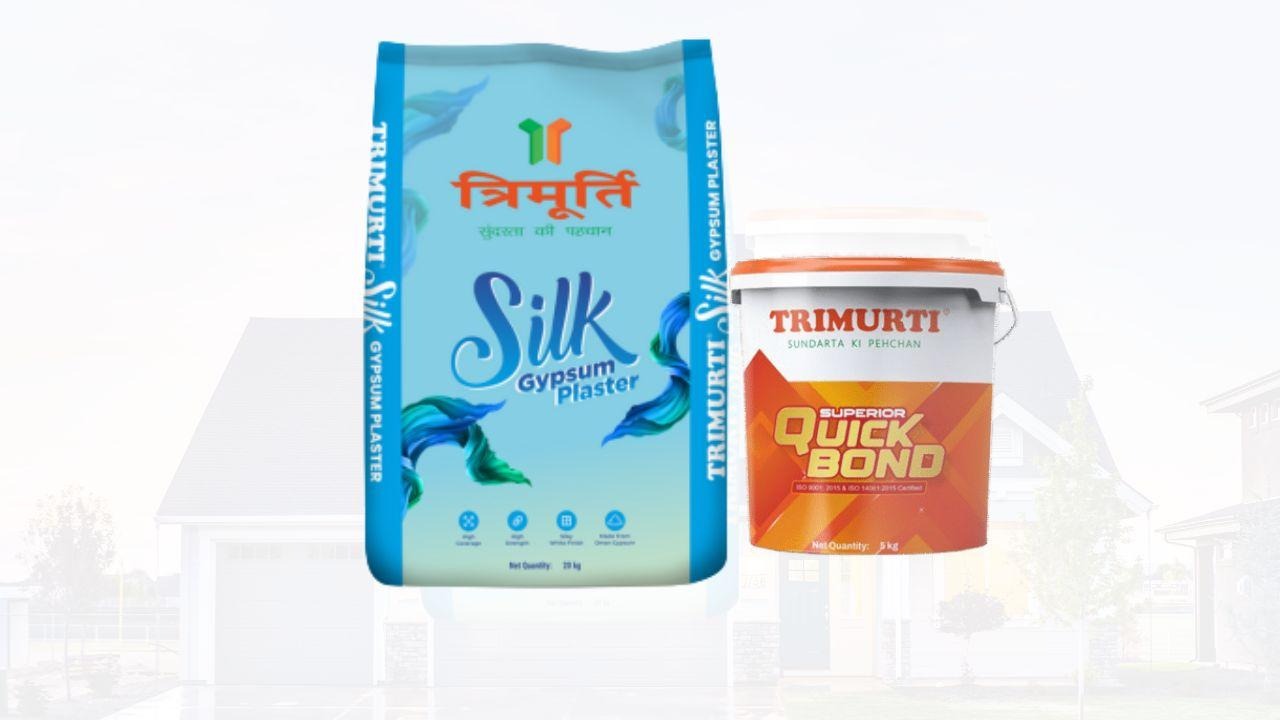
Interior walls play a crucial role in defining the appearance, comfort, and durability of any space. Whether in residential, commercial, or institutional buildings, the quality of wall finishing directly influences the overall aesthetic appeal and long-term performance of interiors. Materials such as plaster of Paris powder have become essential in creating smooth, refined surfaces that support elegant interior designs and lasting functionality.
A well-finished wall does more than enhance appearance. It provides a stable base for paint, decorative coatings, and architectural elements while protecting surfaces from minor imperfections. Modern finishing solutions enable builders and designers to achieve consistency, durability, and visual excellence across diverse projects.
- The Importance of High-Quality Wall Finishing
- Materials That Support Smooth Surface Results
- Surface Preparation and Finishing Performance
- Advanced Finishing Materials for Modern Interiors
- Benefits of Smooth and Durable Wall Surfaces
- Role of Finishing Materials in Interior Design
- Achieving Consistency Across Construction Projects
- Long-Term Value of Superior Wall Finishes
- Conclusion
The Importance of High-Quality Wall Finishing
Wall finishing is one of the final yet most important stages of interior construction. Proper finishing techniques help create visually appealing surfaces while enhancing wall durability. A smooth finish contributes to a professional appearance and supports the longevity of decorative coatings.
Beyond aesthetics, quality wall finishing helps reduce maintenance requirements. When surfaces are prepared correctly, they become more resistant to cracking, peeling, and uneven paint application. This ensures that interiors maintain their appearance for longer periods with minimal upkeep.
Materials That Support Smooth Surface Results
Modern wall finishing relies on advanced materials that improve surface consistency and application efficiency. Builders select these materials to ensure that walls remain smooth, stable, and visually appealing throughout their lifespan.
Reliable material selection also contributes to better project outcomes. High-quality finishing products provide stronger adhesion, improved workability, and enhanced durability, making them valuable components in residential and commercial construction projects.
Surface Preparation and Finishing Performance
Proper preparation is essential before any finishing material is applied. A carefully prepared surface ensures better adhesion and helps achieve a uniform appearance.
Surface Cleaning
Dust, grease, and loose particles must be removed before finishing work begins. Clean surfaces improve material bonding and reduce the likelihood of imperfections appearing after application.
Crack and Imperfection Repair
Small cracks, dents, and holes should be addressed before finishing materials are applied. Repairing these defects creates a stronger foundation and improves the overall appearance of walls.
Moisture Assessment
Walls should be checked for moisture-related issues before finishing. Excess moisture can affect adhesion and lead to long-term performance concerns if not addressed properly.
Base Layer Application
A properly applied base layer helps level the surface and improve material performance. It creates a uniform foundation that supports decorative finishes and paint coatings.
Final Surface Smoothing
The final smoothing process removes minor irregularities and creates a refined finish. This stage significantly influences the visual quality of the completed wall.
Advanced Finishing Materials for Modern Interiors
The growing demand for premium interiors has encouraged the use of innovative finishing materials. Products sourced from a trusted gypsum plaster dealer often provide the consistency and performance needed for professional-grade wall-finishing projects.
Another advantage of working with an experienced gypsum plaster dealer is access to materials that meet modern construction requirements. These products help improve surface quality while supporting efficient application processes across projects of various sizes.
Benefits of Smooth and Durable Wall Surfaces
Smooth wall surfaces offer both visual and practical benefits. They improve interior aesthetics while supporting the long-term performance of decorative coatings and finishes.
Improved Paint Appearance
Uniform surfaces allow paint to spread evenly, resulting in better color consistency and a more professional appearance. This enhances the overall visual appeal of interior spaces.
Enhanced Durability
Proper finishing techniques strengthen the wall surface and reduce susceptibility to cracks, chips, and other forms of damage that may occur over time.
Easier Maintenance
Smooth walls are easier to clean and maintain compared to rough or uneven surfaces. Dust accumulation is minimized, and routine cleaning becomes more efficient.
Better Light Reflection
Even wall surfaces reflect light more effectively, helping interiors appear brighter and more spacious. This contributes to a more comfortable and welcoming environment.
Increased Property Appeal
High-quality wall finishes improve the perceived value of a property. Well-finished interiors often create a positive impression on occupants, visitors, and potential buyers.
Role of Finishing Materials in Interior Design
The selection of finishing materials significantly influences interior design outcomes. Materials such as plaster of Paris powder allow designers to achieve refined textures, decorative details, and smooth surfaces that complement various architectural styles.
These materials also support design flexibility. Whether the goal is a minimalist modern look or a more decorative interior theme, quality finishing products provide the versatility needed to achieve the desired results.
Achieving Consistency Across Construction Projects
Consistency is a key objective in professional construction and interior finishing. Reliable materials and proper application techniques help ensure uniform results across different rooms and buildings.
Quality control measures further support consistency by reducing variations in texture, finish quality, and appearance. This contributes to a more professional outcome and strengthens the reputation of construction professionals.
Long-Term Value of Superior Wall Finishes
Investing in quality wall finishing provides benefits that extend well beyond the completion of construction. Durable surfaces require less maintenance, support better paint performance, and retain their appearance longer.
Well-finished interiors also contribute to occupant satisfaction. Comfortable, visually appealing environments improve the overall experience of living and working within a space while reducing future renovation requirements.
Conclusion
Superior wall finishes are essential for creating interiors that combine beauty, durability, and long-term performance. Careful surface preparation, high-quality materials, and professional application techniques all contribute to smooth, consistent results that enhance the value of any property.
As construction standards continue to evolve, reliable finishing solutions such as wall care products remain important for maintaining surface quality and durability. Within this landscape, companies such as Trimurti Products continue to contribute valuable solutions for builders and designers seeking dependable materials that support strong, attractive, and long-lasting interiors.