
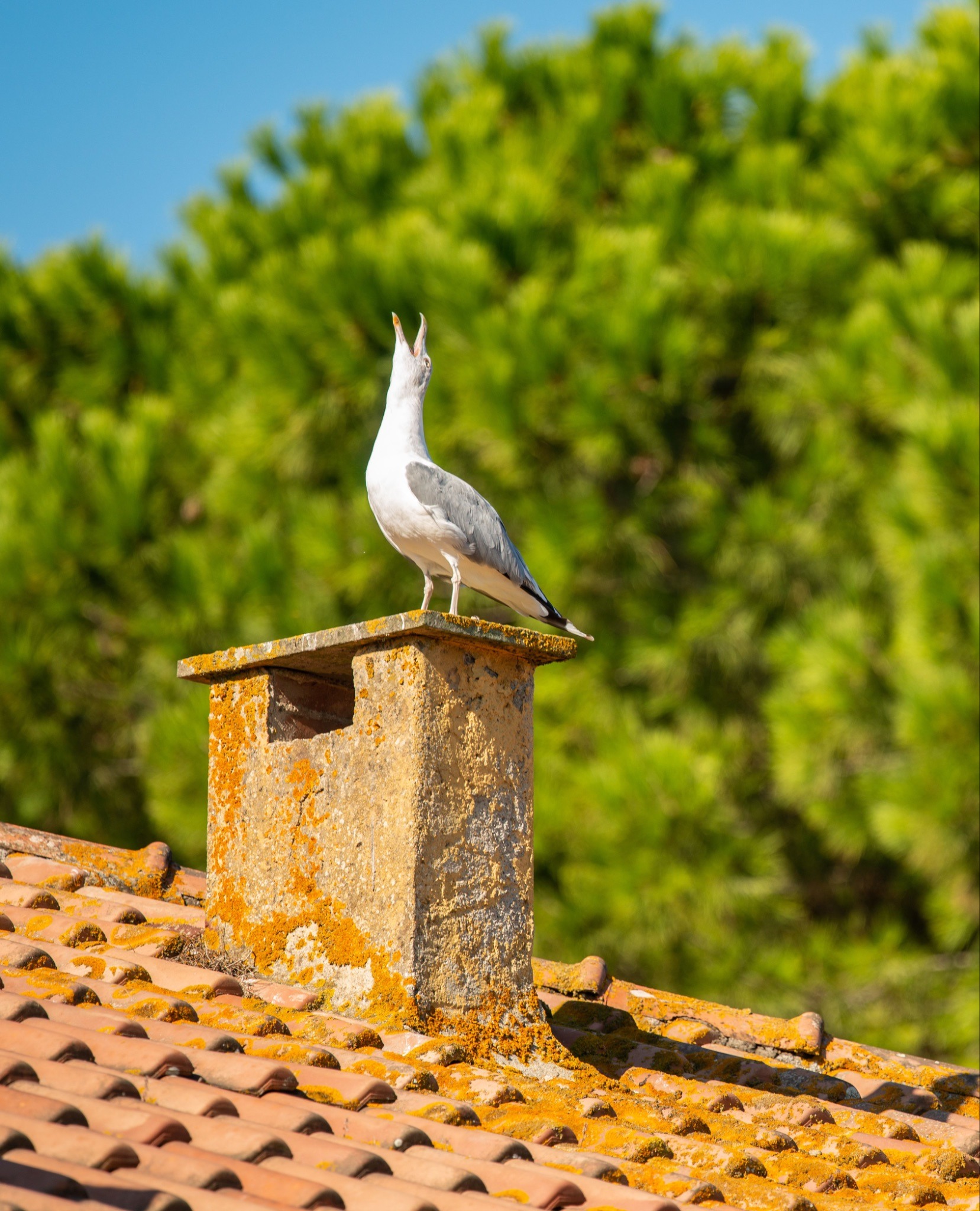
When birds begin nesting, roosting, or feeding around homes, farms, warehouses, marinas, and commercial properties, finding an effective bird control solution becomes a priority. Among the many options available, visual bird deterrents are some of the most popular. Products such as bird scarer kites, hawk eyes, reflective mirrors, and predator decoys are widely used to discourage nuisance birds without causing harm.
But do visual bird deterrents really work? The short answer is yes, but their effectiveness depends on the type of deterrent, the bird species involved, and how the deterrent is used. Understanding how these products work can help property owners choose the right solution and achieve better long-term results.
Why Visual Deterrents Can Be Effective
Birds rely heavily on their eyesight to identify food sources, nesting locations, and potential dangers. In the wild, survival often depends on recognising predators and avoiding risky environments. Visual bird deterrents take advantage of these natural instincts by creating the appearance of danger. When birds see what appears to be a predator or an unfamiliar threat, they may choose to avoid the area entirely.
Unlike harmful bird control methods, visual deterrents encourage birds to relocate without causing injury. This makes them a popular choice for property owners seeking humane and environmentally responsible bird management solutions.
Bird Scarer Kites
Bird scarer kites are among the most effective visual deterrents available, particularly in large outdoor spaces. These kites are designed to resemble birds of prey and move naturally with the wind, creating the impression that a predator is actively patrolling the area. Because they are constantly moving, scarer kites are often more convincing than stationary deterrents. They are commonly used in agricultural fields, vineyards, industrial sites, sports facilities, and coastal properties where bird activity can cause significant problems.
Their effectiveness is generally highest in open areas where the kite can remain visible and move freely. Many farmers and property managers consider them one of the most successful visual bird control solutions for large spaces.
Hawk Eyes and Reflective Deterrents
Hawk eyes are designed to mimic the large, intimidating eyes of a predator. Birds instinctively associate these patterns with danger, which can make them reluctant to approach the protected area.
Reflective deterrents, including mirrors and other shiny devices, work in a different way. They reflect sunlight and create flashes of light and movement that birds often find unsettling. The constantly changing reflections make it difficult for birds to feel comfortable landing nearby. These deterrents can be particularly useful for gardens, balconies, small commercial properties, and areas where installing larger bird control systems may not be practical. While reflective devices can be effective, their performance often depends on sunlight and weather conditions. For this reason, they are frequently used alongside other deterrent methods.
Predator Decoys
Predator decoys are one of the oldest forms of visual bird control. Models resembling owls, hawks, falcons, or other birds of prey are placed in areas where bird activity is a problem. Initially, predator decoys can be highly effective because they create the appearance of a natural threat. However, birds are intelligent and can quickly learn when a decoy remains motionless for extended periods. To maintain effectiveness, decoys should be moved regularly to different locations. Some modern designs include moving heads or other features that make them appear more realistic and less predictable.
The Importance of Variety
One of the biggest factors influencing the success of visual bird deterrents is variety. Birds can become accustomed to any deterrent if it remains unchanged for too long. This is why many bird control professionals recommend combining different visual deterrents or periodically changing their position. Bird Busters offers a wide range of visual bird deterrents designed for different environments, helping property owners choose solutions that match their specific bird control needs.
Conclusion
Visual bird deterrents can be highly effective when used correctly. Bird scarer kites, hawk eyes, reflective mirrors, and predator decoys all work by exploiting birds’ natural caution around potential threats. While no single deterrent guarantees permanent results on its own, combining multiple visual solutions and occasionally changing their placement can significantly improve effectiveness.
For homeowners, farmers, marina operators, and businesses looking for humane bird control, visual deterrents remain one of the simplest and most environmentally friendly ways to reduce nuisance bird activity and protect property from damage.
