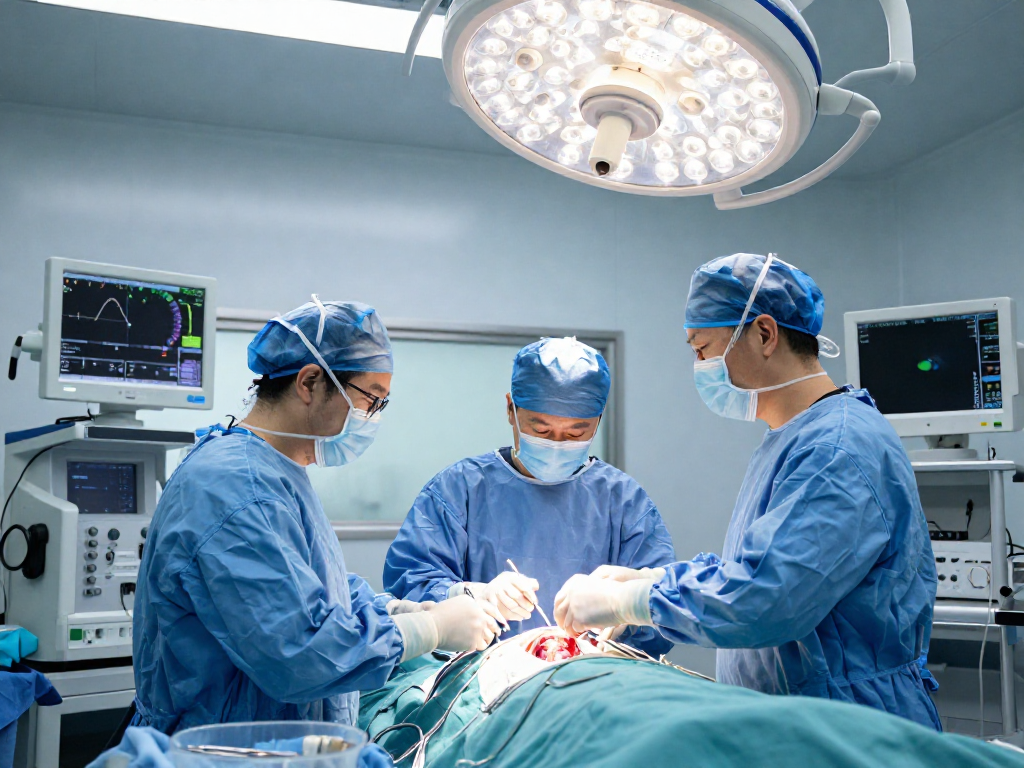
Understanding Brain Tumor Surgery: An Overview
Brain tumor surgery is a pivotal intervention in the management of both benign and malignant brain tumors, aiming to remove tumor tissue and alleviate neurological symptoms. This surgical procedure is highly complex and requires a multidisciplinary approach, where the specifics of the operation depend on the type of brain tumor, its location, and the patient’s overall neurological health. With advancements in surgical techniques, including micro-surgery and neuronavigation systems, the safety and efficacy of brain tumor surgeries have significantly improved over the years. For those seeking more nuanced insights about this critical procedure, beyin tümörü ameliyatı offers a comprehensive overview.
What is Brain Tumor Surgery?
Brain tumor surgery encompasses a variety of surgical techniques aimed at removing tumors from the brain or surrounding tissues. Depending on the tumor's characteristics, including its size and type—such as meningiomas, gliomas, or metastatic tumors—the surgical approach can vary significantly. The ultimate goal of surgery is not only to remove the tumor but also to preserve surrounding brain structures and maintain overall neurological function.
Types of Brain Tumors and Their Implications
Brain tumors are classified broadly into primary tumors, which originate in the brain, and secondary tumors (metastatic), which have spread from other body parts. Understanding the type of tumor is crucial for determining the appropriate treatment plan. For instance, meningiomas are often benign and slow-growing, making them more manageable, while glioblastomas are known for their aggressive nature and typically require a more intensive treatment approach.
The Importance of Early Diagnosis
Early detection of brain tumors can significantly impact treatment outcomes. Symptoms like persistent headaches, seizures, or cognitive changes should prompt immediate medical evaluation. Advanced imaging techniques such as MRI and CT scans play a vital role in diagnosing brain tumors at their nascent stages, which can be critical for successful intervention.
Preparing for Beyin Tümörü Ameliyatı
Before undergoing brain tumor surgery, a comprehensive preoperative assessment is essential. This process not only includes diagnostic imaging but also a thorough review of the patient's medical history and current health status. Understanding what to expect during this phase can alleviate anxiety and ensure a smoother surgical experience.
Preoperative Assessments and Tests
Patients typically undergo various assessments to evaluate their health status before surgery. This may include blood tests, imaging studies, and neuropsychological evaluations. These assessments help the surgical team gauge the patient's overall fitness for surgery and anticipate any potential complications.
Patient Education and Expectations
Educating patients about the surgical process is critical. Patients should be informed about the steps involved in the surgery, the expected duration, and potential risks. Understanding the surgical journey helps set realistic expectations and prepare them mentally for what lies ahead.
Setting Up for a Successful Surgery
Logistical preparations, including scheduling and coordinating with various departments, are crucial for a seamless surgical experience. Patients may also be advised on pre-surgical lifestyle modifications, like diet changes or medication adjustments, to optimize their health before the operation.
Step-by-Step Process of Beyin Tümörü Ameliyatı
The surgical procedure for brain tumor removal may seem daunting, but breaking it down into steps can help demystify the process. From preoperative preparations to the final checks post-surgery, understanding each phase enhances comfort and readiness.
Understanding the Surgical Techniques
Various surgical techniques are employed for brain tumor removal. Craniotomy, where a portion of the skull is removed to access the brain, is the most common approach. Depending on the tumor's location and nature, surgeons may opt for minimally invasive techniques, which can lead to reduced recovery times and fewer complications.
The Role of Advanced Equipment and Technology
Modern brain surgery heavily relies on advanced technology. Tools such as intraoperative MRI and neuronavigation systems enable surgeons to visualize the tumor in real time, improving precision and safety during the operation. These technologies minimize damage to surrounding healthy brain tissue.
What Happens During the Surgery?
During brain tumor surgery, the patient is placed under general anesthesia, and the surgical team begins by making an incision in the scalp. The bone flap is removed, granting access to the brain. Once the tumor is identified, surgical tools—often guided by advanced imaging—are used to excise the tumor, while monitoring neurological function throughout the procedure.
Post-Surgery Recovery and Care
Recovery after brain tumor surgery requires careful monitoring and management to ensure the best possible outcomes. Understanding the typical recovery trajectory helps patients and families navigate this critical period effectively.
Managing Recovery After Beyin Tümörü Ameliyatı
Postoperative care may involve observation in the intensive care unit (ICU) for the first few days. During this time, healthcare providers monitor the patient's neurological status, manage pain, and watch for any complications like infection or bleeding. Following this phase, patients may transition to a regular hospital room as their condition stabilizes.
Potential Risks and Complications to Watch For
Like any major surgery, brain tumor operations come with inherent risks. Patients should be aware of potential complications, including infection, bleeding, and neurological deficits. Promptly reporting any concerning symptoms to healthcare providers can be crucial for timely intervention.
Long-Term Follow-up and Monitoring
After discharge, regular follow-up appointments are essential for monitoring recovery and managing long-term effects. Imaging studies, blood tests, and neurological assessments are typically part of the follow-up regimen to ensure no recurrence and to support ongoing rehabilitation.
Future Trends in Neurological Surgery and Treatment
As technology evolves, so do the methods and success rates associated with brain tumor surgery. Staying informed about emerging trends can help patients and healthcare providers anticipate future advancements that may enhance treatment strategies.
Emerging Technologies in Brain Surgery
Innovations such as robotic-assisted surgery and artificial intelligence in diagnostic imaging are shaping the landscape of brain tumor surgery. These technologies promise not only to enhance surgical precision but also to improve patient outcomes through personalized treatment approaches.
Integrative Approaches to Recovery and Rehabilitation
The future of post-surgical recovery is leaning towards more integrative care models that include physical therapy, occupational therapy, and psychological support. These multi-faceted approaches consider the holistic well-being of the patient, addressing both physical and emotional recovery.
Looking Forward: What to Expect in 2026 and Beyond
As we look toward the future, advancements in genomics and molecular medicine are anticipated to play a significant role in the development of targeted therapies, improving the effectiveness of treatments and tailoring them to individual patient profiles.
What are the risks associated with beyin tümörü ameliyatı?
Brain tumor surgery carries various risks, including bleeding, infection, and complications arising from anesthesia. Neurological risks may also include changes in speech, movement, or cognitive function. Understanding these risks is crucial for informed consent.
How is recovery time determined after brain surgery?
Recovery duration can vary widely based on factors including the type of tumor, the extent of the surgery, and the patient’s overall health. Typically, patients may need anywhere from a few weeks to several months to fully recover.
What advancements are shaping the future of brain tumor treatment?
Emerging technologies in imaging, robotic surgery, and genetic profiling are revolutionizing brain tumor treatment, making it more precise and personalized. These advancements facilitate quicker recovery times and better patient outcomes.
What factors influence the success of beyin tümörü ameliyatı?
Success is influenced by tumor type, size, location, and the patient's overall health. The experience and skill of the surgical team also play a significant role in determining surgical outcomes.
How can patients prepare mentally for brain tumor surgery?
Mental preparation includes understanding the procedure, discussing concerns with healthcare providers, and possibly seeking support from counseling services. For more information, beyin tümörü ameliyatı offers valuable insights. Being informed can ease anxiety and promote a positive mindset.