Understanding Hair Transplant Malaysia
In recent years, hair transplants have gained immense popularity, especially in Malaysia, where state-of-the-art techniques have made significant advancements. If you are considering a hair transplant, it’s essential to understand the nuances and intricacies involved in the procedure. For a thorough exploration of your options, Hair Transplant Malaysia provides comprehensive insights into available methodologies and clinics.
What is a Hair Transplant?
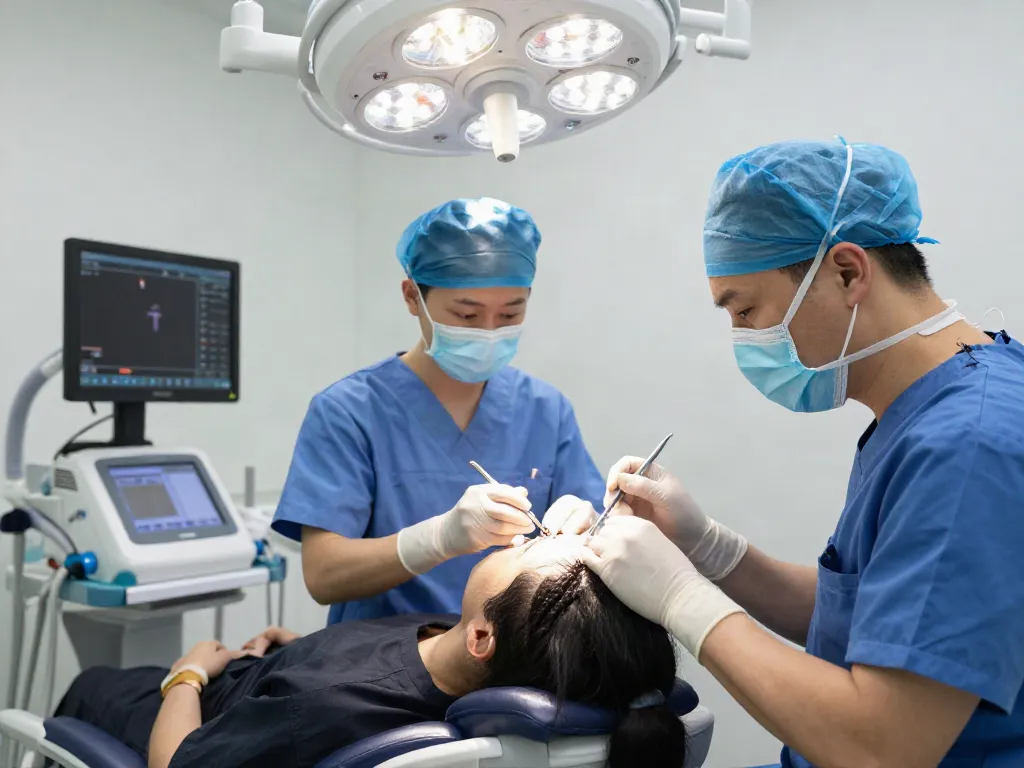
A hair transplant is a specialized surgical procedure that relocates healthy hair follicles from a designated donor zone—typically the back or sides of the scalp—to areas suffering from hair thinning or balding. This innovative process is designed to restore a natural hairline and improve aesthetic appearance. The harvested follicles maintain their inherent genetic resistance to balding, ensuring that the transplanted hair remains permanent and appears natural.
Overview of Hair Loss Causes
Understanding the causes of hair loss is pivotal before deciding on a transplant. Hair loss can occur due to various factors, including:
- Genetics: Hereditary patterns of balding, known as androgenetic alopecia, are common in both men and women.
- Hormonal Changes: Conditions such as pregnancy, menopause, or thyroid imbalances can lead to hair loss.
- Medical Conditions: Scalp infections, autoimmune diseases, or other health issues can disrupt hair growth.
- Stress and Lifestyle: High stress levels, poor nutrition, and certain medications can contribute to hair thinning.
Introduction to SMART™ FUE Technique
The SMART™ FUE (Follicular Unit Extraction) technique is a cutting-edge method employed by leading clinics in Malaysia, notably GLOJAS Specialist Clinic. This advanced approach minimizes scarring and enhances recovery speed, allowing for a more natural appearance post-surgery. With over 30 years of expertise, Prof. Dato’ Dr. JasG and his team utilize this technique to offer patients exceptional results in follicle extraction and implantation.
Types of Hair Transplant Techniques in Malaysia
In Malaysia, various hair transplant techniques cater to individual needs based on hair loss patterns, donor supply, and budget. Understanding these options can help you make an informed decision about your journey toward hair restoration.
FUE vs FUT vs DHI: Key Differences
The three primary techniques used in hair transplant procedures are FUE, FUT (Follicular Unit Transplantation), and DHI (Direct Hair Implantation). Each has its unique advantages and considerations:
- FUE:
- FUT:
- DHI:
How Robotic Hair Transplant Works
Robotic-assisted hair transplants utilize advanced technology to enhance precision in graft extraction. These systems feature AI that aids in identifying the best follicles for extraction, thereby optimizing the yield and minimizing damage. Though promising, they still require the skill of experienced surgeons to ensure the hairline design and placement are natural.
Choosing the Right Technique for You
The selection of the appropriate hair transplant technique is crucial and depends on various factors, including:
- Your hair loss pattern and extent of thinning
- The quality and quantity of donor hair available
- Budget considerations
- Expected recovery time and lifestyle preferences
A thorough consultation with a qualified hair restoration surgeon can assist in determining the most suitable approach for your unique needs.
Hair Transplant Costs and Financing Options
One of the essential considerations for individuals contemplating a hair transplant is the cost. In Malaysia, hair transplant prices can vary significantly depending on the technique utilized, the number of grafts required, and the clinic's reputation.
Typical Hair Transplant Cost in Malaysia
Hair transplant costs in Malaysia generally range from RM8,000 to RM30,000, translating to about RM5 to RM15 per graft. This pricing is notably more affordable compared to many Western countries, often hovering 40-60% lower than similar procedures in the US or Europe.
Cost Comparison: Malaysia vs. US and Europe
For those considering a hair transplant, Malaysia presents a cost-effective solution without compromising quality. For instance:
- In the US, the average cost can range from $12,000 to $15,000 for a similar procedure.
- In Europe, costs can also escalate, frequently exceeding $10,000.
This significant disparity underscores Malaysia's attractiveness as a destination for hair transplants, especially for international patients seeking affordable options.
Available Financing and Insurance Options
While hair transplant procedures are generally classified as cosmetic and may not be covered by insurance, various financing options can make treatment more accessible. Many clinics offer payment plans or financing that allows patients to manage the cost over time. It is advisable to inquire about these options during your initial consultation.
Evaluating Hair Transplant Clinics in Malaysia
Choosing the right clinic is critical to achieving desired outcomes. Here are some key factors to consider when selecting a hair transplant clinic in Malaysia:
How to Choose a Certified Clinic
Ensure that the clinic is accredited by the Ministry of Health Malaysia (MOH) and that the surgeons are registered with the Malaysian Medical Council (MMC). Look for clinics with a proven track record and positive patient reviews to gauge their reputation.
What to Expect During Your Consultation
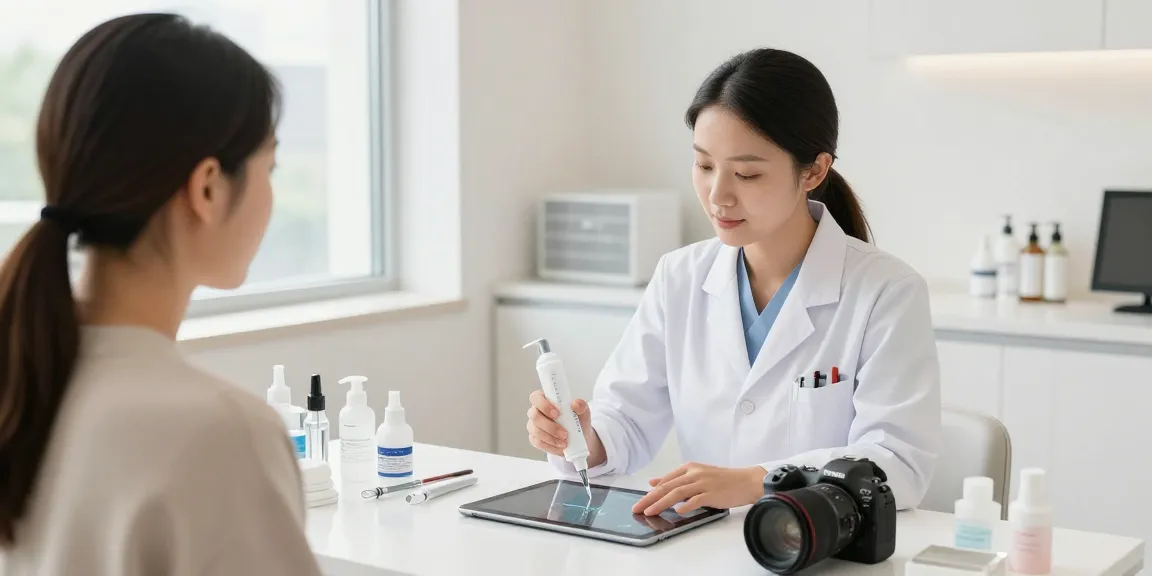
During your consultation, the surgeon should conduct a thorough evaluation of your hair loss pattern, discuss potential treatment options, and provide transparent information regarding costs and outcomes. This is also a great time to address any concerns or questions you may have about the procedure.
Patient Testimonials and Success Stories
Reading patient testimonials and viewing before-and-after photos can offer valuable insight into the clinic's success rates and expertise. Many clinics showcase these stories on their websites, which can help potential patients feel more confident in their choice.
Future of Hair Restoration Techniques
The field of hair restoration continues to evolve, with emerging technologies and techniques promising even better results. Staying informed about these advancements can be beneficial for prospective patients.
Emerging Trends in Hair Restoration
Innovative approaches, such as stem cell therapies and platelet-rich plasma (PRP) treatments, are gaining traction as effective adjuncts to hair transplant procedures. These methods aim to enhance hair growth and improve the overall health of existing follicles.
Technological Innovations in 2026
As we move forward, advancements in robotics and AI are set to revolutionize hair transplantation. Enhanced precision and consistency combined with improved patient comfort are anticipated to become the norm in the coming years.
Long-term Results and Maintenance Tips
Following a hair transplant, maintaining the health of your hair is essential. Regularly consulting with your surgeon for follow-up appointments and adhering to prescribed aftercare instructions can maximize your results. Additionally, consider complementary treatments such as PRP therapy to prolong and augment your success.
What should I expect after a hair transplant?
Immediately following the procedure, it's normal to experience some swelling, redness, or scabbing in the donor and recipient areas. Most patients can return to their regular activities within a week, although full results may take several months to reveal as the hair grows in.
How does the recovery process work?
Recovery generally involves minimal discomfort, and patients often resume normal activities shortly after the procedure. Following post-operative care guidelines is crucial to ensure optimal healing and results.
Are hair transplants suitable for everyone?
Not everyone is a suitable candidate for hair transplants. It is crucial to have a consultation to assess your individual situation, including the extent of hair loss and donor hair availability, before proceeding.
What financing options are available for hair transplants?
Many clinics provide flexible financing options, allowing you to spread the cost over time. Always discuss these options during your consultation and choose the one that fits your budget best.
Is hair transplant surgery painful?
Most patients report minimal discomfort during the procedure due to local anesthesia. Post-operative recovery typically involves mild discomfort manageable with over-the-counter pain relievers.