Understanding the Concept of Tree House Life
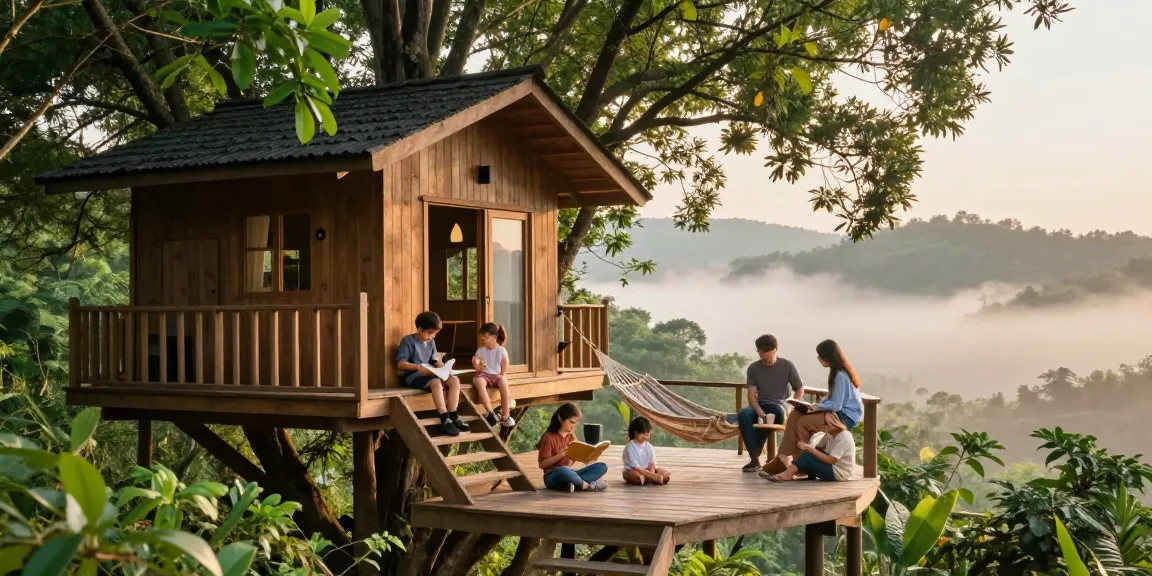
The concept of tree house life transcends the mere act of living among the branches. It's about creating a harmonious living space that melds with the natural world, allowing individuals to reconnect with nature while enjoying modern comforts. Embracing this lifestyle offers a unique blend of adventure, sustainability, and architectural creativity. When exploring options, tree house life provides comprehensive insights into constructing your dream space above the ground.
What Does Tree House Life Entail?
Living in a tree house involves more than just design; it encompasses a lifestyle that prioritises nature, comfort, and innovative living. Tree houses can serve as primary residences, weekend getaways, or playful retreats. Each tree house varies by design, catering to individual needs—be it for full-time living, leisure, or as an artistic expression.
The Benefits of Living in a Tree House
- Connection to Nature: Being surrounded by trees and wildlife enhances mental well-being and promotes a sense of peace.
- Eco-Friendly Living: Many tree houses are built using sustainable materials and practices, decreasing the carbon footprint.
- Unique Lifestyle: The novelty of tree house living appeals to those looking for an unconventional home experience.
- Reduced Urban Noise: Elevated positions allow for a quieter atmosphere, distant from the cacophony of city life.
Common Misconceptions About Tree House Living
Despite the allure of tree house life, several misconceptions persist. Many believe tree houses are fragile or only suitable for children, but modern designs often incorporate robust materials and engineering techniques that ensure durability and comfort. Others think they lack modern amenities, but many tree houses now feature plumbing, electricity, and even Wi-Fi, making them practical for everyday living.
Designing Your Ideal Tree House
Designing a tree house requires careful consideration of various factors, including location, aesthetics, and functionality. Whether aspiring to a minimalist retreat or a family home, understanding the architectural nuances can help create the perfect abode among the branches.
Key Considerations for Tree House Architecture
When embarking on the design journey, consider the following:
- Tree Selection: Choose healthy, sturdy trees that will support the structure for years to come.
- Weight Distribution: Ensure even weight distribution across the tree to prevent damage.
- Access Points: Plan for stairs, ladders, or ramps that make your tree house accessible while keeping safety in check.
- Local Regulations: Be aware of local zoning laws and building codes that may affect your project.
Essential Features for Comfort and Functionality
To ensure the tree house is both livable and comfortable, consider integrating these features:
- Windows and Natural Light: Ample windows can create a welcoming atmosphere and help connect the interior with the surrounding environment.
- Outdoor Spaces: Decks or balconies can provide additional living space and enhance the outdoor experience.
- Insulation: Proper insulation will help maintain a comfortable temperature throughout the seasons.
Environmental Considerations and Sustainability Practices
Building a tree house offers an excellent opportunity to implement sustainable practices. Consider utilising reclaimed wood and environmentally friendly materials, as well as ensuring the building process minimally disturbs the surrounding ecosystem.
Integrating Eco-Friendly Habits into Your Tree House Life
Living sustainably in a tree house is not just beneficial for the environment; it can also enhance your quality of life. By integrating eco-friendly habits into your daily routine, you can create a more harmonious existence within nature.
Utilising Renewable Energy Sources
Solar panels are a popular choice for tree house dwellers, providing renewable energy without disrupting the natural landscape. Small wind turbines may also be an option, depending on your location and available resources.
Water Conservation Techniques for Tree Houses
Implementing rainwater harvesting systems can dramatically reduce water usage. Collecting rainwater allows you to water gardens, flush toilets, and even run appliances in a sustainable manner, conserving precious resources.
Choosing Sustainable Materials for Construction
Opt for sustainably sourced materials when constructing your tree house. This includes using harmonic timber, bamboo, or recycled materials which not only provide aesthetic appeal but also reduce environmental impact.
Enhancing The Tree House Experience
Maximising the joy of tree house living involves thoughtful enhancements that enrich your space and lifestyle. From creating functional areas to fostering connections with nature, there are numerous ways to elevate your tree house experience.
Creative Uses for Your Tree House Space
Beyond being a living space, consider these ideas for utilising your tree house:
- Artistic Studio: Use the elevated surroundings as inspiration for painting or crafting.
- Outdoor Office: Work remotely in a serene environment, boosting productivity and creativity.
- Guest Retreat: Offer your tree house as a unique getaway for friends and family.
Incorporating Nature into Your Living Space
Integrate natural elements into your decor to create harmony between indoor and outdoor spaces. Use plants, natural fabrics, and earthy colours to reflect the beauty of your surroundings.
Establishing a Connection with the Surrounding Environment
Enhance your tree house life by engaging with the local wildlife and flora. Consider creating a bird-watching station or planting a garden to encourage biodiversity in your area.
Future Trends in Tree House Living
As we move towards 2026, the trends in tree house living continue to evolve, focusing more on sustainability, technology, and community engagement. Being aware of these trends can help you embrace the future of tree house living.
Innovative Designs and Technologies for 2026
We may soon see advanced prefabrication techniques, allowing for quicker and more cost-effective construction. Additionally, smart home technologies will increasingly be incorporated into tree houses, enhancing comfort and energy efficiency.
Predicted Shifts in Eco-Living Preferences
The demand for sustainable living spaces will continue to grow, encouraging tree house designs to push boundaries in environmental awareness and energy efficiency. Homebuyers will likely prioritise eco-friendly features and innovative designs in their construction choices.
Community Impact and Development for Tree House Living
As tree houses become more popular, community discussions around zoning and land use will likely shape how and where these structures are built. Advocating for regulatory changes that support tree house living will be essential for future developments.
How do tree houses affect environmental sustainability?
Tree houses promote environmental sustainability by encouraging the use of eco-friendly materials and energy-efficient designs, while also preserving natural habitats.
What are the cost considerations when building a tree house?
Factors influencing cost include location, materials, size, and design complexity. Establishing a budget early on and consulting with professionals can help manage expenses effectively.
Can tree houses be used for year-round living?
With the right design and insulation, many tree houses are suitable for year-round living, especially if equipped with modern amenities.
What maintenance do tree houses typically require?
Regular inspections for structural integrity, maintenance of exterior finishes, and care for surrounding trees are vital to ensure longevity.
Are there community regulations around tree house construction?
Local regulations often vary, so it’s crucial to consult with local authorities regarding building codes and permits before construction begins.