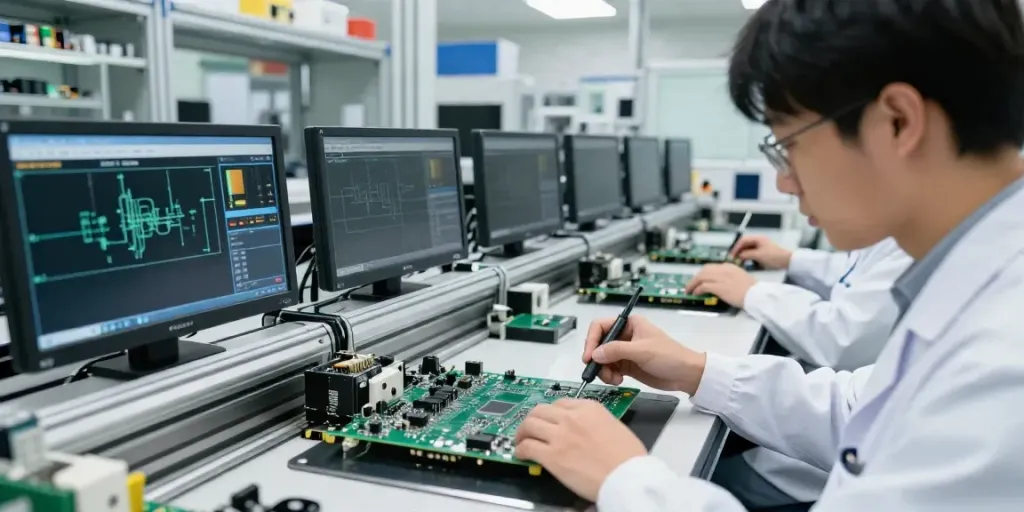
Understanding the Role of High-Speed PCB Manufacturers
The rapid advancements in technology have led to an increased demand for high-speed printed circuit boards (PCBs), crucial components in modern electronic devices. As the backbone of virtually all electronic systems, high-speed PCBs are engineered to handle dynamic data transmission at faster rates, making them essential for industries such as telecommunications, aerospace, and automotive. When exploring options, high speed PCB manufacturer capabilities can significantly impact your project's success by ensuring optimal performance under rigorous demands.
What Defines High-Speed PCB Manufacturing?
High-speed PCB manufacturing refers to the production of circuit boards designed to support high-frequency signaling, typically above 1 GHz. These boards require advanced materials and design techniques to minimize signal loss, crosstalk, and electromagnetic interference (EMI). Components like high-speed vias, controlled impedance traces, and multi-layer configurations are integral to their design.
The Importance of Quality in PCB Production
Quality is paramount in PCB manufacturing, particularly for high-speed applications where even minor defects can lead to significant operational failures. A high-speed PCB manufacturer must ensure stringent quality control measures are in place, including thorough testing procedures such as Automated Optical Inspection (AOI) and electrical testing. These measures are essential to guaranteeing that each board meets the required specifications for performance and reliability.
Common Applications for High-Speed PCBs
- Telecommunications: High-speed PCBs are crucial for devices like routers and switches, enabling fast data communication.
- Aerospace: Used in avionics systems that require reliable and swift data processing.
- Consumer Electronics: Found in high-performance computers, smartphones, and gaming devices.
- Automotive: Essential for modern vehicles equipped with advanced driver-assistance systems (ADAS).
Challenges Faced by High-Speed PCB Manufacturers
Despite the growing demand, high-speed PCB manufacturers face several challenges that can impact production efficiency and product quality.
Technological Limitations and Innovations
Manufacturers often encounter technological limitations related to materials and fabrication techniques. Traditional substrates may not withstand the frequencies required for high-speed applications; thus, innovations such as low-loss materials and advanced fabrication processes, including microvias and blind/buried vias, are essential to overcome these challenges.
Supply Chain and Material Sourcing Issues
Supply chain disruptions can severely impact PCB production schedules. With the global semiconductor shortage and increasing demand for high-quality materials, manufacturers must develop robust supply chain strategies, such as diversifying suppliers and investing in local sourcing to mitigate risks.
Balancing Cost with Quality and Speed
High-speed PCB production often entails higher costs due to the advanced technologies and materials required. Manufacturers must find a balance between maintaining high-quality standards and managing production costs to remain competitive. Implementing lean manufacturing principles can help streamline processes and reduce waste, which in turn lowers costs.
Best Practices for High-Speed PCB Design and Production
Ensuring optimal performance in high-speed PCB production requires adherence to best practices in both design and manufacturing stages.
Key Design Principles for High-Speed PCBs
Effective high-speed PCB design principles include minimizing trace lengths, optimizing layer stack-up, and employing differential signaling. These strategies help reduce signal integrity issues, allowing for better performance at higher speeds.
Importance of Prototyping and Testing
Prototyping is vital in the development of high-speed PCBs. Testing prototypes under real-world conditions helps identify potential design flaws that can be rectified before full-scale production. This approach not only ensures reliability but also saves time and costs associated with later-stage modifications.
Implementing Lean Manufacturing Techniques
Lean manufacturing techniques focus on reducing waste while improving productivity. By analyzing workflows and identifying bottlenecks, manufacturers can streamline operations, enhance quality, and accelerate turnaround times for high-speed PCB production.
Future Trends in High-Speed PCB Manufacturing
The landscape of high-speed PCB manufacturing is constantly evolving, influenced by technological advancements and shifting market demands.
Emerging Technologies and Their Impact
Emerging technologies such as 5G, IoT, and AI are driving significant changes in PCB requirements. High-speed PCBs will need to accommodate faster data rates and more complex functions, necessitating ongoing research and development in materials and design techniques.
Predicted Changes in Market Demand for 2026
By 2026, the demand for high-speed PCBs is expected to surge, particularly in sectors like telecommunications and automotive. The growing reliance on advanced technologies will require manufacturers to adapt quickly to changing specifications and consumer preferences.
Sustainability Practices in PCB Manufacturing
As environmental concerns gain prominence, sustainability practices in PCB manufacturing are becoming increasingly important. Manufacturers are exploring eco-friendly materials and processes to minimize their ecological footprint while maintaining performance standards.
Maximizing Profit with High-Speed PCB Manufacturing
To thrive in the competitive landscape of high-speed PCB production, manufacturers must implement strategies that maximize both profitability and efficiency.
Strategies for Cost Reduction
Cost reduction strategies may include optimizing production processes, leveraging automation technologies, and negotiating better terms with suppliers. These approaches can significantly lower operational costs without sacrificing quality.
Improving Efficiency and Turnaround Times
Improving efficiency is critical in high-speed PCB manufacturing. Utilizing tools such as Enterprise Resource Planning (ERP) systems can enhance workflow management and facilitate faster turnaround times.
Leveraging Market Trends for Competitive Advantage
Staying attuned to market trends and consumer demands allows manufacturers to adapt their offerings accordingly. By aligning production capabilities with emerging technologies and applications, high-speed PCB manufacturers can position themselves as leaders in an evolving market.
What are the top trends in high-speed PCB manufacturing?
Some of the top trends include the adoption of advanced materials, increased demand for automation, and the integration of IoT capabilities in PCBs, making them smarter and more efficient.
How can I choose the right high-speed PCB manufacturer?
Choosing the right manufacturer involves evaluating their experience, quality control processes, customer reviews, and ability to meet specific project requirements, including speed, quality, and cost.
What are common applications for high-speed PCBs?
Common applications include telecommunications devices, aerospace systems, consumer electronics, and automotive technologies, all of which require robust performance and reliability.
How does technology impact PCB manufacturing processes?
Technology influences PCB manufacturing through advancements in design software, automated production techniques, and the development of new materials that enhance performance and efficiency.
What challenges do high-speed PCB manufacturers face?
Challenges include rapid technological changes, supply chain disruptions, material shortages, and the need to balance cost with quality and production speed.