Understanding Mini Split Air Conditioners
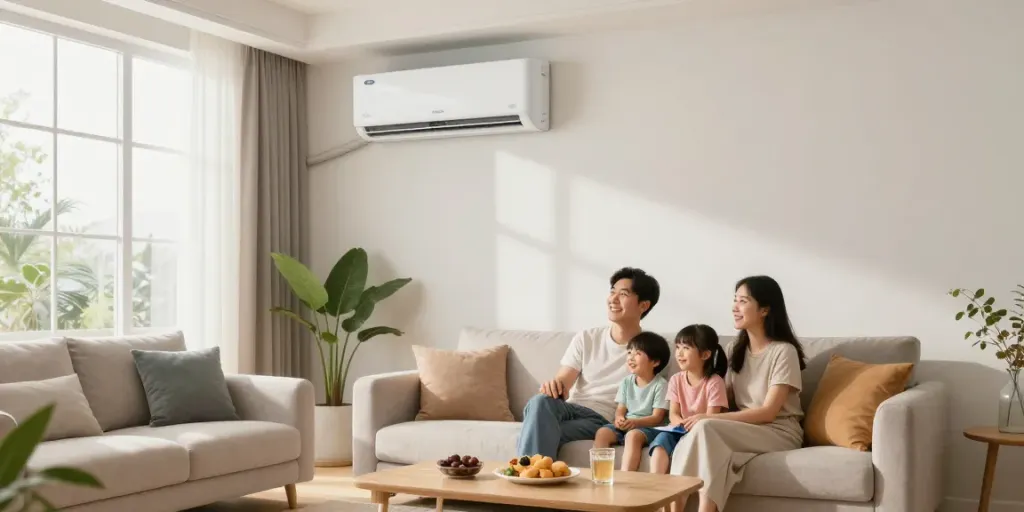
As more homeowners seek efficient and flexible cooling alternatives, the popularity of mini split air conditioners continues to rise. These systems offer a unique solution to temperature control, addressing both comfort and energy efficiency in residential settings. With fewer components than traditional HVAC systems, mini splits represent a modern approach to climate control, making them an attractive choice for both renovations and new constructions. When exploring options, mini split of air conditioner models are particularly noteworthy for their capabilities and design.
What is a Mini Split of Air Conditioner?
A mini split air conditioner, often referred to as a ductless air conditioning system, is a compact HVAC solution designed for heating and cooling specific areas or rooms. Unlike traditional systems that rely on ductwork to distribute air, mini splits consist of an indoor unit and an outdoor compressor, connected by refrigerant lines. This setup allows for targeted temperature control and greater energy efficiency.
Benefits of Mini Split Systems Over Traditional Units
One of the primary advantages of mini split systems is their efficiency. They eliminate the need for ductwork, which can cause energy losses of up to 30% for conventional HVAC systems. Additionally, mini splits allow for zoned heating and cooling, enabling homeowners to set different temperatures in different rooms based on individual preferences.
- Energy Efficiency: Mini split systems often feature inverter technology that adjusts compressor speed according to the home’s cooling needs, reducing energy consumption.
- Space-Saving Design: The compact nature of mini splits allows for installation in a variety of spaces, including tight areas where traditional units might not fit.
- Improved Air Quality: Mini splits typically use advanced filtration systems that can reduce allergens and pollutants in the air, promoting a healthier indoor environment.
How Mini Splits Work: An Overview
Mini split air conditioners function through a refrigeration cycle that transfers heat. The indoor unit absorbs heat from the room and transfers it to the refrigerant, which then travels to the outdoor unit. Here, the heat is released into the atmosphere, effectively cooling the indoor space. This system is not only efficient for cooling but can also be reversed to provide heating, making it a versatile choice for year-round comfort.
Key Features of Mini Split Air Conditioners
Energy Efficiency: How it Saves You Money
One of the standout features of mini split air conditioners is their energy efficiency. Many models are rated with SEER (Seasonal Energy Efficiency Ratio) ratings of 15 or above, with some premium systems reaching up to 30 SEER. This efficiency translates to lower utility bills and less environmental impact over time. Moreover, the advanced inverter technology allows the unit to adapt its power usage to current cooling needs, reducing unnecessary energy consumption.
Noise Levels Compared to Conventional ACs
Another significant benefit of mini split systems is their lower noise levels. Unlike traditional air conditioning units that can be quite loud, mini splits are designed to operate quietly. Indoor units typically produce noise levels around 20–30 decibels, comparable to a whisper, making them an ideal choice for bedrooms and other quiet spaces.
Design and Aesthetic Considerations
Mini split systems come in various designs, providing options that blend seamlessly with home decor. Sleek indoor units are available in multiple colors and shapes, allowing homeowners to select models that complement their aesthetics. This adaptability enhances their appeal compared to bulky window units or central air systems.
Installation Best Practices
Choosing the Right Location for Maximum Efficiency
The placement of mini split systems is crucial for achieving optimal performance. Indoor units should be installed in locations where airflow is unobstructed, such as high on walls or in corners, while outdoor units should be positioned in shaded areas to prevent overheating. Professional assessment can ensure that the units are installed in the most effective locations.
Common Installation Mistakes to Avoid
While DIY installation options are available, avoiding common pitfalls is essential. Issues such as improper refrigerant line connections, inadequate drainage, and misalignment of indoor and outdoor units can lead to inefficiencies or even system failure. It is often advisable to consult with professionals familiar with mini split systems to ensure reliable installation.
Professional vs DIY Installation: Pros and Cons
Choosing between professional installation and a DIY approach requires careful consideration. Professional installers bring expertise that can ensure optimal setup and compliance with local building codes. However, for those with adequate HVAC knowledge, DIY installation can save costs. Weighing initial investment against long-term performance and reliability is essential for making an informed decision.
Maintenance Tips for Longevity
Routine Checks and Cleaning Your Mini Split
Maintaining mini split systems is reasonably straightforward but requires regular attention. Homeowners should clean the filters every few months, check the outdoor unit for debris, and ensure the drainage lines are clear. Seasonal professional maintenance, including checking refrigerant levels and electrical components, will greatly extend the life of the system.
Signs Your Mini Split Needs Professional Attention
Watch for warning signs that may indicate your mini split air conditioner needs professional service. If you notice unusual noises, inconsistent cooling, or an increase in energy bills without additional usage, it may be time for a thorough inspection. Early intervention can prevent more significant issues and expensive repairs.
Common Misconceptions About Mini Split Maintenance
A common misconception about mini splits is that they require no maintenance. In reality, regular upkeep is vital for ensuring efficiency and longevity. Misunderstanding this can lead to neglected systems that underperform and may incur higher operational costs over time.
Future Trends in Mini Split Technology
Innovations in Energy Efficiency and Smart Features
As technology advances, mini split systems are becoming even more energy-efficient. Future models are expected to integrate smart features, allowing users to control their systems via smart home devices. This connectivity not only enhances convenience but also optimizes energy use based on occupancy and preferences.
Expectations for 2026: What's Next for Mini Splits?
By 2026, we can anticipate significant innovations in mini split technology. Expect improvements in thermal storage and battery backup systems, as well as enhanced environmental efficiency, with some models utilizing alternative refrigerants. Manufacturers are likely to focus on further reducing noise and improving aesthetics, addressing consumer preferences head-on.
How to Stay Informed About Emerging Technologies
To remain updated about advancements in mini split technology, homeowners should seek out reputable HVAC publications, attend trade shows, and participate in community workshops. Engaging with professionals in the field can also provide insights into the latest trends and best practices for installation and maintenance.
What are the downsides of a mini-split AC system?
While mini split systems offer numerous benefits, they are not without drawbacks. The initial installation cost can be higher than traditional systems, and the aesthetic considerations of indoor units may not suit every homeowner's taste. Additionally, without proper installation and maintenance, they can lead to performance issues.
Why is my electric bill so high with a mini split?
If electric bills are unexpectedly high despite using a mini split system, several factors could be at play. These may include poor insulation in the home, incorrect settings, or an improperly sized unit for the space. Regular maintenance and ensuring the system is correctly set up can help mitigate these costs.
What is the typical cost of installing a mini split system?
The cost of installing a mini split air conditioning system can vary significantly based on factors such as the brand, model, and installation complexity. On average, homeowners can expect to pay between $3,000 and $5,000, including both equipment and installation, although high-end systems or extensive installations can exceed this range.
Are mini-splits good for air conditioning?
Mini splits are highly regarded for air conditioning due to their efficiency, flexibility, and ability to provide zoned comfort. They are particularly beneficial in homes without existing ductwork and in regions with varying climate needs, making them a popular choice among homeowners.