Understanding Aerospace CNC Machining: Key Concepts and Technologies
Aerospace CNC machining is the backbone of modern aerospace manufacturing, encompassing a wide range of processes that utilize computer numerical control (CNC) systems to produce parts with exceptional accuracy and repeatability. The aerospace industry demands the utmost precision, as even the slightest defect can lead to catastrophic failures. CNC machining provides a solution by automating and refining manufacturing processes to yield high-quality components essential for aircraft and spacecraft. When exploring options, leading aerospace cnc parts manufacturers offer comprehensive insights into the latest technologies and processes shaping this vital sector.
What is CNC Machining in Aerospace?
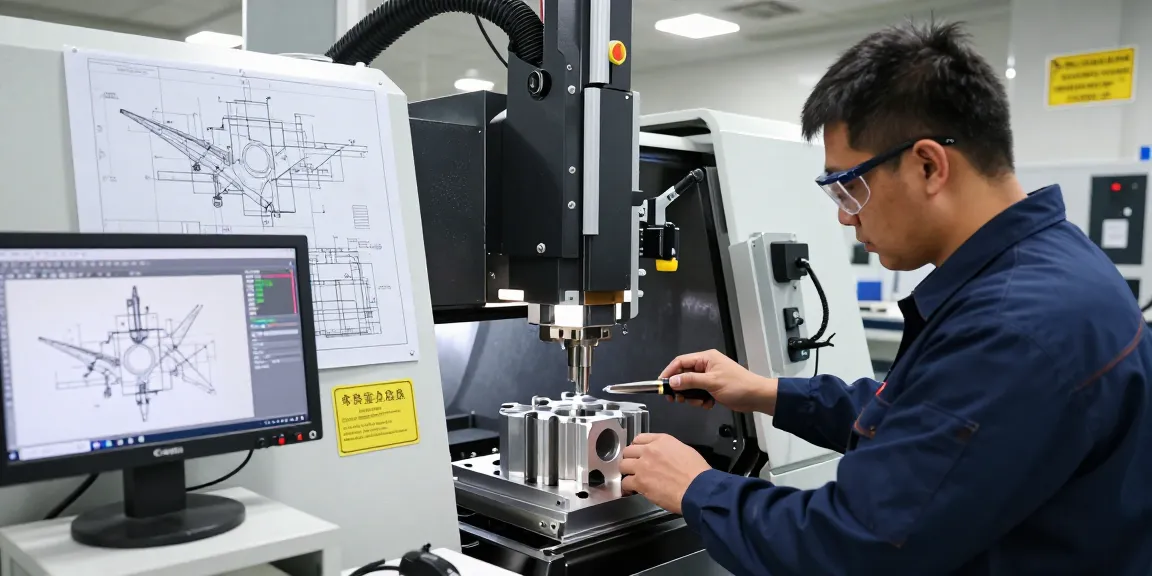
CNC machining in aerospace refers to the use of computer-controlled machines to create parts that meet strict aerospace standards. These machines, which can include lathes, mills, and routers, are programmed to execute complex movements with high precision. The process starts with a digital model of the part, typically designed using CAD (Computer-Aided Design) software. Once the design is complete, the CNC machine interprets the model to fabricate the part from various materials, including metals and composites, commonly used in the aerospace industry. This production method not only enhances efficiency but also enables manufacturers to produce intricate designs that would be difficult, if not impossible, to achieve through manual machining.
How CNC Technology Enhances Precision
The core advantage of CNC technology in aerospace machining lies in its ability to consistently produce high-tolerance parts. Traditional machining methods can introduce human error, whereas CNC machines operate based on precise programming, eliminating variability. This precision is critical in aerospace applications, where components must perform reliably under extreme conditions and stresses. CNC machining allows for the creation of parts such as turbine blades, structural components, and intricate assemblies with consistent quality throughout production runs, ensuring compliance with industry regulations and safety standards.
Common Materials Used in Aerospace CNC Parts
The aerospace industry utilizes a variety of materials, each selected for its unique properties that meet specific performance requirements. Common materials include:
- Aluminum: Known for its lightweight and corrosion-resistant properties, aluminum is often used in aircraft structures.
- Titanium: This material offers an excellent strength-to-weight ratio and is resistant to heat and corrosion, making it ideal for engine components.
- Composites: Advanced composite materials, such as carbon fiber reinforced plastics, are increasingly used for their strength and lightweight characteristics.
- Stainless Steel: Used in various components where higher strength and corrosion resistance are required, particularly in harsh environments.
Leading Aerospace CNC Parts Manufacturers: Top Players to Know
The aerospace CNC machining landscape features several key players who are recognized for their excellence in manufacturing and adherence to stringent quality standards. As the industry evolves, these manufacturers continue to innovate in ways that enhance efficiency and sustainability in their processes.
Profiles of Industry Leaders in 2026
In 2026, leading aerospace CNC parts manufacturers include companies that have established a strong reputation for quality, innovation, and compliance with industry regulations. For instance, Boeing, Lockheed Martin, and Spirit AeroSystems are giants in the aerospace sector, known for their advanced CNC capabilities. These organizations not only manufacture components but also invest heavily in research and development to stay ahead of technological advancements.
Recent Innovations from Top Manufacturers
Recent developments in aerospace CNC machining highlight manufacturers' dedication to advancing technology. Innovations such as multi-axis machining, additive manufacturing, and integrated machining processes are becoming more prevalent. For example, additive manufacturing, or 3D printing, allows for the production of complex geometries that traditional CNC machining cannot achieve. This technology helps reduce material waste and production time, aligning with sustainability goals across the industry.
Collaborative Efforts in Aerospace Manufacturing
Many of the leading players in aerospace CNC machining engage in collaborative efforts with technology firms and research institutions. These partnerships aim to push the boundaries of what is possible in aerospace manufacturing. By combining expertise and resources, manufacturers can develop cutting-edge tools and methods, such as AI-driven quality control systems and predictive maintenance strategies that improve the reliability and lifespan of CNC machines.
Quality Standards and Compliance in Aerospace CNC Parts
In the aerospace industry, quality standards are paramount. Manufacturers must adhere to strict regulations to ensure that every part meets safety and performance criteria. The two primary standards that govern aerospace manufacturing are AS9100 and ITAR.
Understanding AS9100 and ITAR Regulations
AS9100 is a widely recognized quality management system standard specifically for the aerospace industry. It outlines the requirements for organizations to demonstrate their ability to provide products that meet consistently high quality and safety standards. ITAR (International Traffic in Arms Regulations) governs the export and import of defense-related articles and services, ensuring that sensitive technologies are protected. Compliance with these regulations is essential for manufacturers looking to operate in the aerospace sector.
Best Practices for Quality Assurance
Effective quality assurance practices are crucial in aerospace CNC machining. Manufacturers employ various strategies, including:
- Regular equipment calibration and maintenance to ensure precision machining.
- Comprehensive employee training programs focusing on the latest technologies and quality standards.
- Implementation of rigorous inspection processes using advanced measurement technology to identify defects early.
- Adopting a culture of continuous improvement that encourages feedback and innovation from all employees.
Importance of Certifications in the Aerospace Industry
Certifications play a vital role in establishing trust and credibility among aerospace clients. Manufacturers with AS9100 and ITAR certifications demonstrate their commitment to quality and compliance, making them more appealing to potential customers. These certifications also facilitate access to new markets and opportunities within the global aerospace supply chain, where adherence to standards is a prerequisite for participation.
Challenges Facing Aerospace CNC Manufacturers in 2026
Despite advancements in technology and manufacturing practices, aerospace CNC manufacturers face several challenges in 2026. Addressing these issues is critical for maintaining competitiveness and ensuring the safety of aerospace components.
Addressing Supply Chain Disruptions
The aerospace supply chain is complex and interconnected, making it vulnerable to disruptions caused by geopolitical tensions, natural disasters, or pandemics. Manufacturers are increasingly adopting strategies such as diversified sourcing and local manufacturing to mitigate risks associated with supply chain dependencies. Emphasizing transparency and communication within the supply chain can also enhance resilience and adaptability.
The Need for Skilled Labor in Aerospace Machining
As technology evolves, there is an ongoing need for skilled labor in aerospace CNC machining. The rapid adoption of advanced manufacturing technologies requires a workforce proficient in both traditional machining and modern CNC operations. Manufacturers are investing in training programs, partnerships with educational institutions, and apprenticeships to develop the next generation of skilled machinists. Addressing the skills gap ensures that companies can maintain high standards of quality and efficiency.
Navigating Cost Management and Efficiency
Cost management remains a critical challenge in the aerospace manufacturing sector, driven by fluctuating material prices and the need for continuous investment in technology. Manufacturers are implementing lean manufacturing principles and process optimization techniques to enhance efficiency and reduce waste. By streamlining operations and focusing on value-added activities, companies can improve their bottom line while maintaining quality levels.
Future Trends in Aerospace CNC Machining
The future of aerospace CNC machining is poised for transformation, driven by innovation and a focus on sustainability. Emerging technologies and changing market demands will shape the way manufacturers operate.
Emerging Technologies Affecting Manufacturing Practices
New technologies such as artificial intelligence, machine learning, and IoT (Internet of Things) are beginning to significantly impact aerospace manufacturing. AI-driven systems can analyze vast amounts of data to optimize production processes, predict maintenance needs, and enhance quality assurance efforts. Machine learning algorithms are capable of improving machining processes by identifying patterns and suggesting adjustments on-the-fly. These technologies will empower manufacturers to enhance productivity and reliability further.
Predictions for Aerospace Machining in 2026 and Beyond
As the aerospace industry continues to evolve, several predictions can be made regarding CNC machining. Advancements in automation and robotics are expected to lead to increased efficiency and reduced labor costs. Additionally, the trend toward sustainability will drive manufacturers to adopt eco-friendly materials and processes, aligning with the industry's commitment to reducing its carbon footprint.
How Sustainability is Shaping Aerospace Industries
Sustainability is becoming a focal point in aerospace manufacturing. Companies are adopting practices that minimize waste, conserve resources, and reduce emissions throughout the production cycle. This shift not only aligns with regulatory expectations but also resonates with environmentally conscious consumers and stakeholders. Manufacturers that prioritize sustainability in their operations are likely to gain a competitive edge as global demand for greener practices rises.
What are the key benefits of aerospace CNC machining?
Aerospace CNC machining offers numerous benefits, including:
- High precision and repeatability in part manufacturing.
- Flexibility in producing intricate and complex designs.
- Efficiency improvements through automation.
- Reduced material waste and lower production costs.
How do leading aerospace manufacturers maintain quality?
Leading aerospace manufacturers maintain quality through rigorous quality assurance processes, adhering to standards such as AS9100, continuous employee training, and robust inspection methods that ensure every component meets the necessary safety and performance criteria.
What advancements are expected in CNC technology?
Future advancements in CNC technology may include increased integration of AI, enhanced automation capabilities, and the development of smarter, more efficient machines that utilize machine learning to adapt to varying production requirements.
How can manufacturers prepare for industry regulations?
Manufacturers can prepare for industry regulations by staying informed about the latest standards and requirements, investing in compliance training for employees, and implementing robust quality management systems that facilitate adherence to regulations.
What skills are essential for aerospace CNC machinists?
Essential skills for aerospace CNC machinists include proficiency in CNC programming, an understanding of CAD/CAM software, attention to detail, and the ability to perform complex problem-solving to ensure quality outputs.